
Hanukkah Bedtime Stories
By

Dennis Wang, Bedtime Story Expert
6 min 51 sec
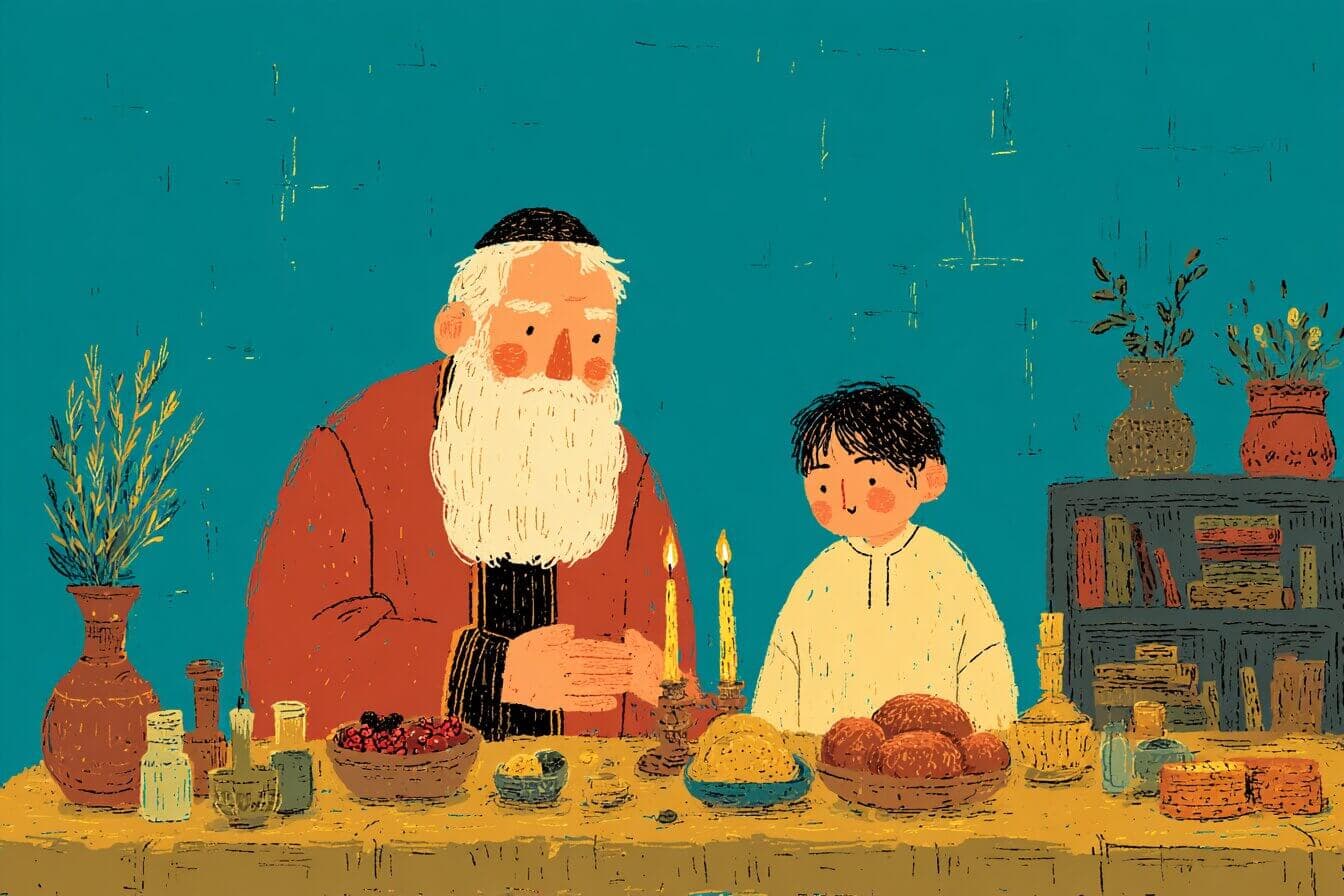
There is something about candlelight at bedtime that makes a child go still in the best possible way, the kind of stillness where listening happens all on its own. In this story, a girl named Rivka lights the first flame on her menorah and hears the shamash whisper a memory from the very first miracle, when a single cruse of oil refused to run out. It is one of those Hanukkah bedtime stories that feels like sitting close to someone you trust while snow taps the window. If you want to shape a version with your own child's name and your own family details, you can build one with Sleepytale.
Why Hanukkah Stories Work So Well at Bedtime
Hanukkah is already built around a ritual of small, growing light. Each night another candle appears, so the arc of the holiday mirrors what a child needs before sleep: gentle progression, quiet repetition, and the reassurance that brightness returns even after the darkest evening. A bedtime story about Hanukkah carries that same pulse, one flame, then another, building warmth without hurry.
There is also something grounding about the physical details kids associate with the holiday: the sizzle of latkes, the spin of a dreidel on a wood floor, the waxy smell of candles cooling after the blessing. These sensory anchors give a child's mind something calm and specific to hold onto as they settle in, which is exactly what bedtime asks of a story.
The Candle of the First Hanukkah 6 min 51 sec
6 min 51 sec
On the first night of Hanukkah, the silver menorah stood on the windowsill of little Rivka's room.
Nine candles waited in their holders. Only the shamash, the helper candle, held a flame.
Rivka struck a match. The sulfur smell hit her nose before the fire caught, and she wrinkled it the way she always did.
As she brought the match toward the first candle, the shamash whispered in a voice like a crackling wick, "Let me tell you about the very first Hanukkah miracle, when light itself learned to remember."
Rivka leaned so close that the warmth touched her chin.
The candle's flame stretched into a ribbon of gold and painted pictures in the air, pictures that moved and breathed and smelled like a place she had never been.
She saw a desert night. Sand dunes rolled like frozen waves under a sky jammed with more stars than she had ever counted, even on the camping trip with Papa. In that ancient place stood a lonely oil lamp inside a tumbledown temple, its clay sides chipped, its oil nearly gone.
The lamp shivered.
Enemy soldiers had wrecked everything beautiful and stolen every jar of sacred oil except one tiny cruse hidden behind a loose stone, the kind of stone a child might have kicked without noticing.
Temple priests gathered around the lamp. Their faces were lined with worry, but their hands were steady, which is sometimes the braver thing.
They poured the last drops of oil into the lamp, enough for one day, maybe less, and yet they wanted the eternal light to keep going more than they wanted a guarantee.
A wind sighed through the broken pillars.
The flame of the lamp spoke in the same hush the shamash used, low and warm, like a secret meant only for the people in the room.
"I am the first Hanukkah candle," it said. "I hold the memory of every heart that refuses to let darkness win."
The priests listened. One of them, an old man with a beard that curled at the ends like a question mark, wiped his eyes on his sleeve, laughed at himself for crying, and then cried a little more.
They decided to light the lamp anyway, trusting that wonder sometimes walks where reason cannot follow.
One day of light stretched into two.
Then three. Then eight full days, and the tiny cruse of oil stayed as full as the moon on a clear night, which made no sense at all, which was the point.
Each dawn the priests sang songs of thanks. Each dusk the lamp's glow painted gold on their tired faces, and a few of them fell asleep right there on the temple floor, too peaceful to move.
Word spread across hills and valleys that the temple light had chosen to stay alive. People came carrying gifts: songs, bread still warm from ovens, and laughter that echoed off stone walls.
Children danced in circles, their shadows spinning like dreidels on the cracked marble floor.
One boy tripped and slid on his knees, and instead of crying he spun it into a bow, and everyone clapped.
Rivka watched the vision unfold. Her room filled with the scent of oil and something like cinnamon, though she could not be sure.
The shamash continued, "I was there, hidden inside that clay lamp, learning how courage keeps a promise longer than hours can count."
The flame flickered. Now the temple was restored, stones scrubbed clean, a menorah shining with new silver. Priests placed the original lamp on a high shelf so its story would never be forgotten, and every year after, when winter nights grew longest, families lit their own small lights to remember.
The vision faded.
Rivka found herself back in her room. The first candle on her menorah burned steady and bright, and the wallpaper behind it glowed orange in a way that made the printed flowers look almost real.
She felt warmth spread through her fingers and toes, the kind that comes from the inside out, as if the miracle had wrapped itself around her like a quilt her grandmother might have sewn.
Outside, snowflakes drifted past the window. Each one caught the candle's glow and turned, for half a second, into a tiny star before landing on the sill and melting into nothing.
Rivka pressed her palms together and whispered a thank you that felt bigger than words.
The shamash winked. "Now you carry the story, little guardian. Every time you light a candle, you help the world remember that small lights can chase away great darkness."
Rivka nodded. Then she smiled so wide that her reflection in the window smiled back, and for one odd moment she was not sure which Rivka had smiled first.
She imagined the ancient lamp resting somewhere safe, still holding its endless drop of oil.
She decided to tell her kindergarten class about it the next day. She would draw the temple, the stars, the boy who turned his fall into a bow. She would sing the blessing with her friends and not worry if she got one word wrong.
That night she dreamed of candles marching against the dark, each one singing, "Remember, remember."
She did not dream of anything scary. Not once.
When she woke, the sun had painted the sky peach and gold, and the menorah waited for the second night.
She counted the candles, eager to add another.
During breakfast, Mama made latkes that sizzled and popped in the pan. One jumped right off the edge and landed on the counter, and Mama said, "That one's for the cat," even though they didn't have a cat. Papa told riddles about oil that stretched farther than roads, and Rivka's little brother guessed every answer wrong with complete confidence, which made everyone laugh harder.
Rivka helped clear the table, then ran to her room to draw the desert temple with its brave lamp.
She colored the flames in every crayon she owned, because miracles deserve every shade.
When evening came, she stood on a stool, struck a match, and watched the second candle join the first. Two small suns against the winter sky.
The shamash began to speak again, promising that each new flame would carry another chapter of the ancient tale, and Rivka listened with her whole heart, ready to remember.
The Quiet Lessons in This Hanukkah Bedtime Story
This story carries several ideas that settle well into a child's mind right before sleep. When the priests pour oil they know will not last and light the lamp anyway, children absorb something honest about faith, that you can act with hope even when you do not have a guarantee. Rivka's choice to share the story with her class the next morning, mistakes and all, quietly models the idea that passing on what matters to you is more important than getting every detail perfect. And the boy in the temple vision who turns his stumble into a bow teaches kids that embarrassment shrinks the moment you stop taking it so seriously. These are gentle reassurances, the kind a child can carry into sleep feeling a little braver about tomorrow.
Tips for Reading This Story
Give the shamash a low, warm whisper voice, almost like someone sharing a secret across a pillow, and let Rivka sound bright and a little breathless when she leans in to listen. When the old priest wipes his eyes and laughs at himself, pause for a beat and let your own voice crack just slightly; kids love catching grown-ups being moved. At the very end, when the second candle joins the first and the shamash promises more chapters, slow your pace way down and let the final sentence hang in the quiet of the room.
Frequently Asked Questions
What age is this story best for?
It works well for children around ages 3 to 7. Younger listeners enjoy the sensory details, like the sizzling latkes and the snowflakes catching candlelight, while older kids connect with Rivka's decision to share the story at school and the idea that a single cruse of oil kept burning against all odds.
Is this story available as audio?
Yes. You can press play at the top of the story to hear it read aloud. The shamash's whispering voice and the shift between Rivka's cozy bedroom and the ancient desert temple translate especially well in audio, because the contrast in setting gives the narration a natural rise and fall that keeps young listeners engaged without overstimulating them.
Why does the oil last eight days in the story?
The eight days come from the traditional Hanukkah miracle, in which a single cruse of oil, only enough for one day, burned for eight nights in the rededicated temple. In this story, the shamash explains it to Rivka as a moment when trust mattered more than logic, which is a gentle way to introduce the idea of faith to young children without requiring them to understand the full historical context.
Create Your Own Version
Sleepytale lets you turn your family's holiday traditions into a personal bedtime tale in just a few taps. You can swap Rivka for your own child, move the menorah from a windowsill to your kitchen table, or add a grandparent character who tells the ancient story instead of the shamash. In a few moments you will have a cozy, one of a kind Hanukkah tale ready to read or replay whenever the candles come out.
Looking for more holiday bedtime stories?

Palm Sunday Story For Kids
This short palm sunday story for kids reveals that the bravest choice in Jerusalem was made by a small, ordinary donkey.
Purim Story For Kids
Queen Esther's courage shines in this short purim story for kids, complete with spinning graggers and jam stained sleeves.
Valentines Day Bedtime Stories
Help kids drift off with short valentines day bedtime stories that feel warm and reassuring. Enjoy a gentle tale of kindness and learn how to make your own in Sleepytale.
Thanksgiving Bedtime Stories
Settle in with short thanksgiving bedtime stories that warm the heart with family, snow, and gratitude. Enjoy a gentle tale and learn how to make your own cozy version.
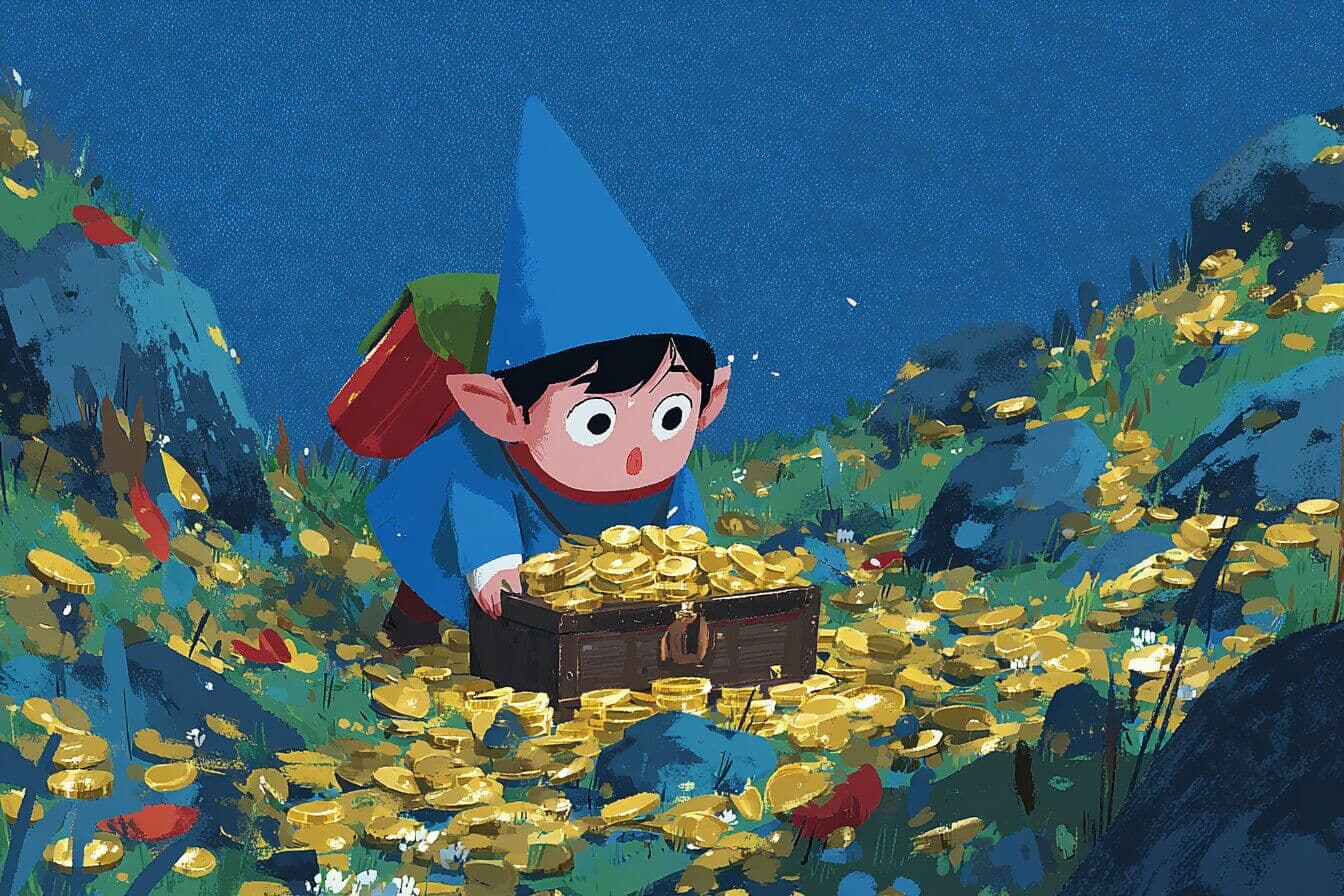
St Patricks Day Bedtime Stories
A tiny leprechaun searches a quiet village for missing coins and finds friendship under a soft rainbow. Settle in with short st patricks day bedtime stories for a peaceful night.
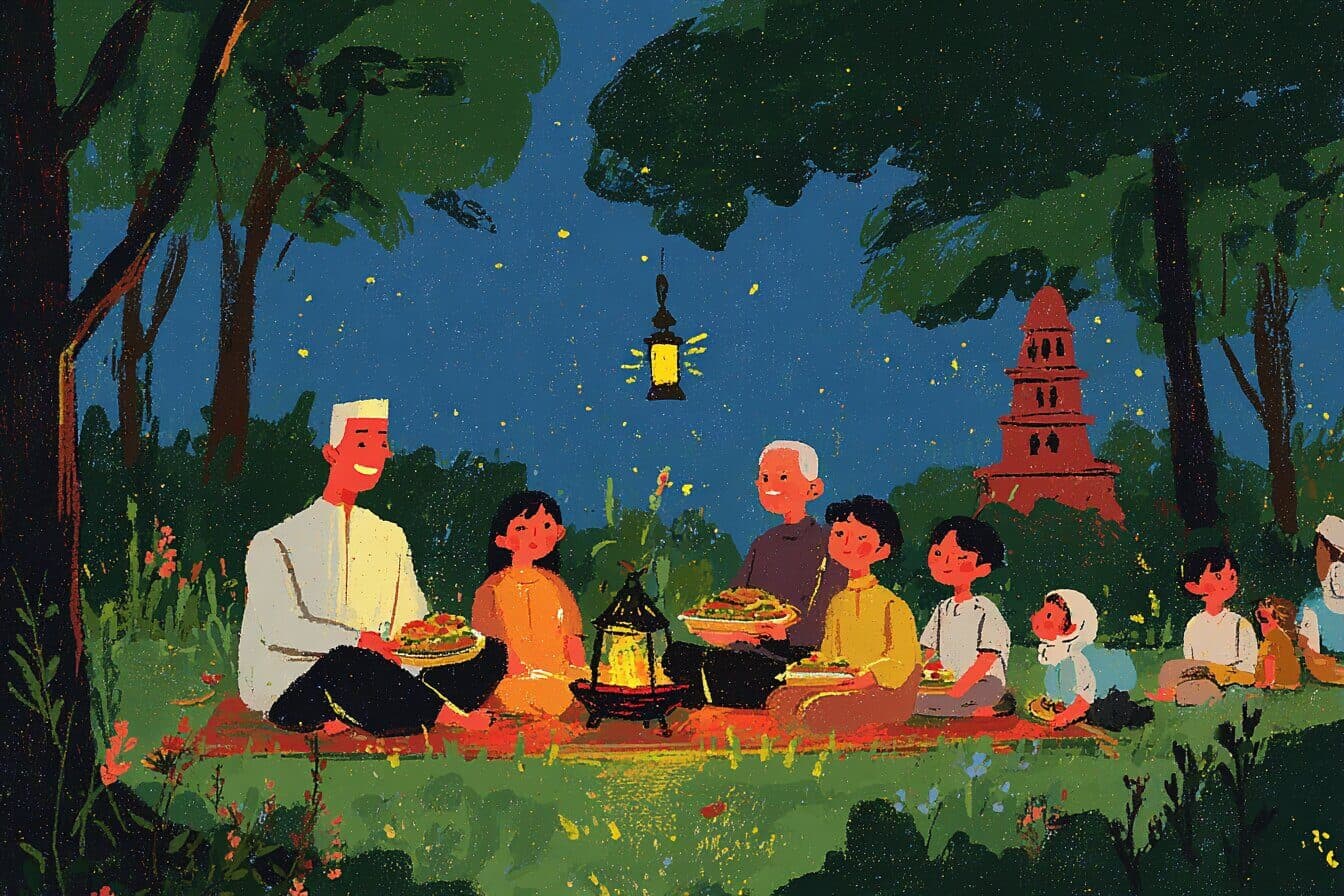
Ramadan Bedtime Stories
Cozy up with short ramadan bedtime stories where a lantern of sharing sparks a secret circle of kindness that quietly returns to the giver.