
Coral Reef Bedtime Stories
By

Dennis Wang, Bedtime Story Expert
10 min 29 sec
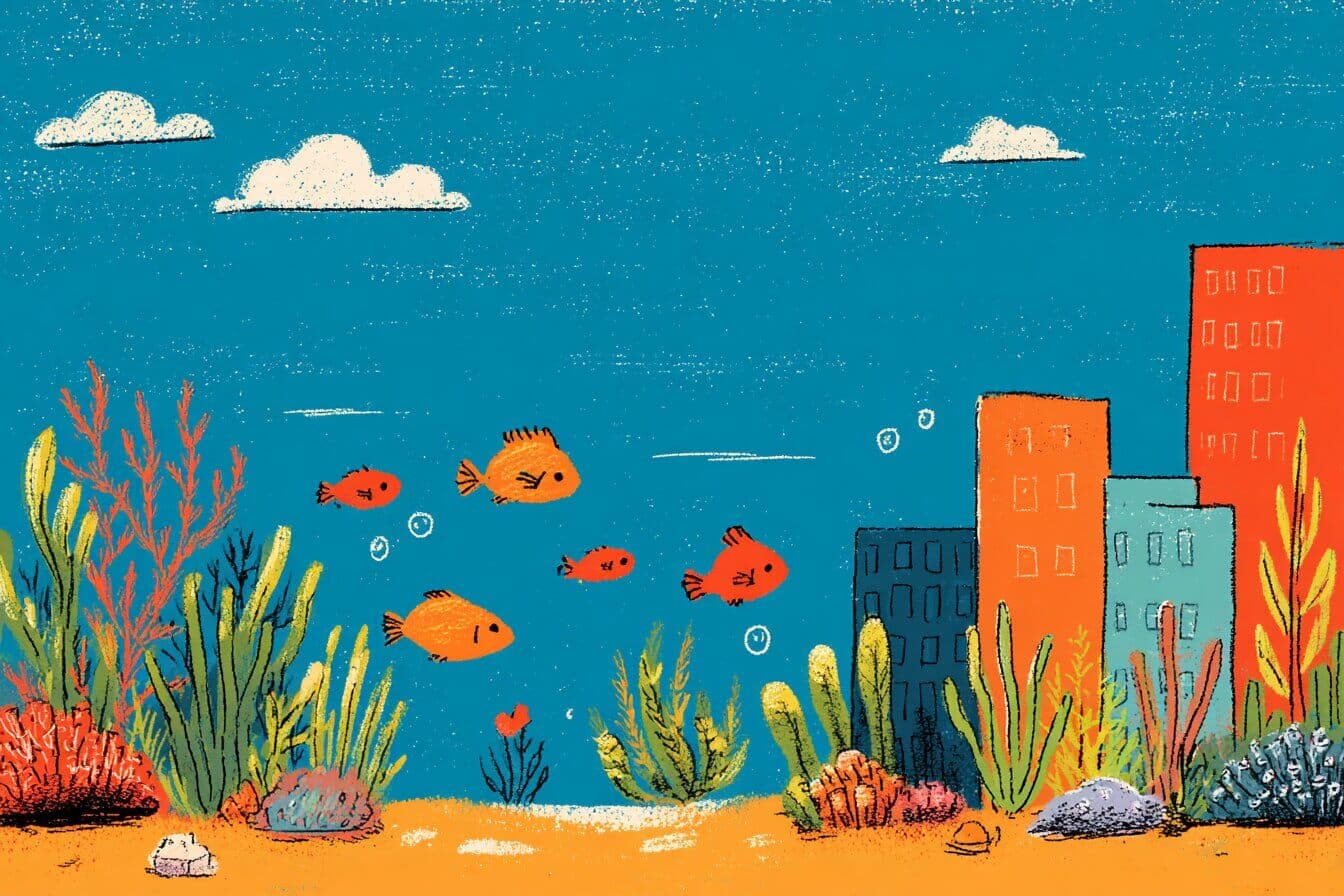
There's something about the hush of deep water that makes kids go still and soft before sleep, like the ocean itself is whispering them down. In this story, a tiny goby named Finley faces his first day at an underwater school built from coral towers, steadying his nerves one colorful discovery at a time. It's one of those coral reef bedtime stories that wraps real science in warmth and wonder, perfect for curious minds winding down for the night. If your child has a favorite sea creature or underwater world they'd love to visit, you can build your own version with Sleepytale.
Why Coral Reef Stories Work So Well at Bedtime
Coral reefs move at their own pace. Everything drifts, sways, and filters gently through water, and that natural slowness mirrors the rhythm kids need as they settle into sleep. The colors are soft rather than startling, the creatures are strange enough to spark wonder but rarely frightening, and the whole ecosystem runs on cooperation rather than conflict. A bedtime story about a coral reef gives a child's imagination somewhere safe and fascinating to land.
There's also something comforting about a world where every creature has a role and every neighbor depends on the next. Kids who are processing big feelings, like first-day nerves or the worry of being new, can see themselves in a little fish finding its place among thousands. The reef says: you belong here, you matter here, and the world keeps working because you showed up. That's a good last thought before closing your eyes.
Finley and the Coral City School 10 min 29 sec
10 min 29 sec
Finley, a tiny yellow goby with a tail shaped like a paintbrush, darted out of his sea anemone home just as the reef's morning lights began to glow.
Today was his first day at Coral City School. The grandest underwater classroom anyone knew, built entirely of rose, purple, and gold coral towers.
His heart was doing that thing where it beat in his throat instead of his chest.
He'd dreamed of joining the school since he was a fry, but dreaming about something and actually swimming toward it turned out to be very different activities.
He zipped past the swaying seagrass streets and waved a fin at Madame Manta, the gentle ray who swept the sandy avenues clean every morning. She did this whether anyone asked her to or not.
"Mind the current, young scholar," she called, and Finley giggled out a stream of bubbles that floated upward like loose pearls.
The school rose ahead in branching layers, each coral apartment stacked high and flickering with tails.
Clownfish twins tumbled out of a window, arguing about a spelling game they'd invented called Bubble Letters. One of them insisted "whale" had three syllables. It does not.
A shy seahorse named Coralie hovered near the entrance, adjusting a tiny pink backpack woven from algae. She kept tugging at the strap like she wasn't sure it was really hers.
Finley gave her a friendly flip of his tail, and she blinked at him, then smiled, which was a small thing that felt large.
Together they entered the bright doorway where the principal, Mr. Wrasse, greeted every student by name and fin shake.
His handshake was firm but not too firm, the kind that says I'm glad you're here without crushing anything.
He explained that today's theme was "How the Reef Works," and each grade would explore a different neighborhood of the coral city.
Finley's class, a jumble of young gobies, wrasses, and damselfish, would tour the polyp gardens first, then the cleaning station plaza, and finally the treasure trove of the lagoon library.
Finley could hardly hold still.
He loved discovering hidden facts the way angelfish loved bright algae snacks, which is to say: completely and without dignity.
Their teacher, Ms. Chromis, wore a cloak of electric blue scales that sparked when she spoke, like her words had tiny lights attached.
She reminded the class to use quiet inside voices because sound travels farther in water than in air. Finley had not known that.
He practiced a gentle hum that came out sounding like a distant boat engine, low and rumbly. Coralie copied him, and they both went so quiet they dissolved into silent giggles, shoulders shaking.
With a flick of her tail, Ms. Chromis led them along a sandy path between coral walls alive with feather duster worms.
The worms retracted into their tubes as the students passed, startled. Then slowly, slowly, they peeked out again, forming shy pink spirals. Finley thought they looked like tiny flowers deciding whether the coast was clear.
He learned that these worms filter bits of food from the water using feathery crowns, acting like living straws that keep the reef clean.
He stored the fact in his mind palace, a trick his grandmother had taught him. She kept hers organized by color. Finley's was more of a pile, but it worked.
Soon the class reached the polyp gardens, where baby coral animals called polyps grew like miniature trees made of stone.
Each polyp stretched its tentacles to catch passing plankton, then tucked itself into a cup of limestone it had built during the night. Imagine constructing your house while you sleep. That's a polyp's whole deal.
Finley watched, mesmerized, as a single polyp multiplied into a colony by budding, creating the apartment walls of the reef city one tiny room at a time.
Coralie raised a fin. "Why is coral hard?"
Ms. Chromis explained that polyps extract minerals from seawater to craft their protective skeletons, which is a sentence that sounds like magic but is actually chemistry.
Finley traced the bumpy surface with his fin. He could feel it, just barely, a slow pulse of life inside the stone.
He imagined thousands of tiny builders stacking brick after brick. Too small to see. Powerful together.
The teacher challenged the class to count how many different colors of coral they could spot in one breath.
Finley tallied twelve shades before bubbles escaped his mouth, winning the challenge and earning a shiny pebble star. It was smooth and cold and fit perfectly against his palm.
Coralie clapped her fins softly. She looked proud of him, which made him look away for a second because he didn't know what to do with that feeling yet.
Next stop was the cleaning station plaza, where big fish lined up like customers at a hair salon, except nobody was reading magazines.
Cleaner wrasses, small stripey fish, darted inside the gills and mouths of groupers, snappers, and even a grumpy old barracuda who looked like he'd rather be anywhere else but knew he needed this.
Finley learned the wrasses pick parasites and dead skin off their clients, keeping everyone healthy. It was gross and wonderful at the same time.
A huge hawksbill turtle hovered patiently while tiny yellow fish scrubbed its shell. The turtle's eyes were half closed. It looked like it was getting a very good back scratch.
Ms. Chromis whispered that cooperation like this keeps the reef balanced.
Finley tucked that word away. Balanced.
Coralie, who had not spoken much all morning, suddenly raised her voice. "Does the barracuda ever bite them?"
The teacher shook her head. Predators respect the cleaning station rules because they need the service. Even the fiercest fish follows the rules when the rules keep it alive.
Finley thought about that for a while.
After thanking the cleaners, the class swam toward the lagoon library, a cave filled with scrolls of algae paper and ink made from squid color.
They arrived to find the librarian, an ancient octopus named Professor Ink, juggling eight scrolls at once. He dropped two, caught them with a third arm, and pretended nothing had happened.
He welcomed the students with a wave of a tentacle and invited them to explore the stacks.
Finley loved the library. Every scroll smelled like sea lettuce and something older, something that had been sitting in salt water thinking for a very long time.
He chose a slim volume titled "The Moon and the Tides," which explained how the moon pulls on Earth's water like a magnet.
Coralie selected a pop-up scroll about sea stars that could regrow lost arms. She read the page, closed it, opened it again, read it once more out loud, and then looked at Finley with her mouth open. "They just grow it back," she said, like the sea stars had done something personally offensive to logic.
Professor Ink told them that learning something new each day keeps a mind from growing barnacles.
Finley repeated the phrase to himself. He liked the feel of it.
Together the friends read about parrotfish that munch coral and later poop fine white sand, creating tropical beaches.
Finley laughed so hard he snorted bubbles. Coralie covered her mouth, but her eyes were watering. "Beaches are made of poop," she whispered, and that set them both off again.
The professor gathered the class for a storytelling session beneath a ceiling of glowing jellyfish lanterns. Their light wobbled and shifted like something breathing.
He spoke of the reef's beginning, when lava cooled to rock and coral larvae drifted from afar to settle and grow.
Finley imagined the first tiny animals landing alone on bare rock. No city. No towers. Just dark water and a decision to stay.
Then building. Then neighbors. Then thousands of years until this.
He realized that every big change starts small. A single polyp. A single idea. A single kid deciding to swim through a doorway on his first day.
Ms. Chromis asked the students to share what they would build if they were coral architects.
Finley declared he would construct a learning tower with windows shaped like question marks, so curiosity could always peek inside. He said it fast, then felt his face go warm.
Coralie dreamed of a spiral bridge connecting fish neighborhoods so no one would feel far away from anyone else.
Their classmates piled on with ideas: playgrounds made from sea whips, concert halls inside giant clams, a slide carved through sponge rock that went on for three whole reef blocks.
Professor Ink applauded their creativity, all eight arms clapping at once, which sounded like rain.
As the school day neared its end, the students returned to their classroom, a cozy grotto lined with shelves for personal treasures.
Finley placed his pebble star beside a tiny notebook where he planned to record new facts. The shelf smelled faintly of salt and chalk.
Ms. Chromis reviewed the day's lessons, reminding everyone that understanding their home helps them protect it.
She assigned homework: observe one reef creature tonight and write one question about it. Just one.
Finley already had his. How do parrotfish know which coral tastes best? Do they have favorites? Is there a coral that's like dessert?
That was three questions. He'd pick later.
The bell, a conch shell trumpet, sounded dismissal, and the class streamed into golden afternoon light filtering through the waves above.
Coralie invited Finley to meet her family at the seahorse garden. He said yes before she finished the sentence.
They swam past dancing anemones and a sleeping reef shark whose mouth hung slightly open in a way that was either terrifying or hilarious depending on how brave you felt.
Finley decided school was better than he had hoped. Not because it was easy, but because knowledge felt like treasure you could keep forever, and nobody could take it, and it never got heavier no matter how much you carried.
As the sun set and painted the water peach and lavender, Finley tucked himself into his anemone bed.
The tentacles curled around him, soft and familiar.
He whispered a thank you to the reef for being such a strange and wonderful classroom, and to the moon for pulling the tides that fed his home.
In the gentle sway of the current, he drifted toward sleep, thinking of question mark windows and spiral bridges and all the mornings still to come.
The reef hummed around him. A living city that never quite goes silent, just quieter, like a library after hours when the books are still talking to each other in voices too soft to hear.
The Quiet Lessons in This Coral Reef Bedtime Story
This story is really about what happens when nervousness meets kindness. Finley's fast heartbeat at the start dissolves not because someone tells him to calm down, but because Coralie smiles back and Ms. Chromis gives him something fascinating to focus on, showing kids that anxiety often shrinks when you stop staring at it and start looking at the world around you. The cleaning station scene carries a second lesson: even the fiercest barracuda follows the rules when those rules protect everyone, which is a gentle way to talk about fairness and mutual respect. And when Finley and Coralie laugh until they snort over parrotfish sand, children absorb the idea that learning and silliness aren't opposites. These are exactly the kinds of reassurances that settle well at bedtime, reminding kids that tomorrow's new places will have kind faces, interesting things to discover, and room to laugh.
Tips for Reading This Story
Give Ms. Chromis a clear, bright voice, almost musical, and make Professor Ink sound slow and rumbly, like someone talking through a mouthful of toffee. When Finley counts twelve coral colors in one breath, actually hold your breath for a beat and let your child count along on their fingers. At the very end, when the reef hums around Finley like a library after hours, drop your voice nearly to a whisper and slow way, way down so the room itself starts to feel like that quiet underwater cave.
Frequently Asked Questions
What age is this story best for?
It works best for kids ages 3 to 7. Younger listeners love the funny moments, like parrotfish making beaches, and the gentle rhythm of Finley swimming from place to place. Older kids in that range will enjoy the real science woven in, like how polyps build limestone skeletons and how cleaner wrasses keep bigger fish healthy.
Is this story available as audio?
Yes. You can press play at the top of the story to hear it read aloud. The audio works especially well for this one because the pacing follows Finley from stop to stop like a slow current, and scenes like the jellyfish lantern storytelling session and the conch shell bell have a natural rhythm that sounds lovely spoken out loud.
Do coral reefs really glow the way the story describes?
Many corals do fluoresce under certain light, producing soft greens, blues, and pinks that look almost magical. The story takes a little creative liberty with the "morning glow" of Coral City, but the idea of a reef lit up with living color is rooted in real biology. It is one of the reasons coral reefs captivate kids so easily: the real thing is already stranger and more beautiful than most fiction.
Create Your Own Version
Sleepytale lets you reshape this underwater adventure into something that fits your child perfectly. Swap Finley for a seahorse or a little octopus, move the school to a sunken ship or a kelp forest, or dial the tone from educational to purely cozy. In just a few taps you'll have a calm, personal story ready to read aloud or press play on whenever bedtime rolls around.
Looking for more nature bedtime stories?
Sun Bedtime Stories
A valley stays chilly at dawn until a brave sunbeam gathers shared promises that warm the forest again, inside short sun bedtime stories. A sunrise seed becomes the twist that lingers.

Earth Bedtime Stories
Mira follows a soft blue glow to a space bus and joins a kind crew to help the ocean sing again in short earth bedtime stories.

Winter Bedtime Stories
Drift off with cozy short winter bedtime stories that soothe with gentle wonder and warm cocoa calm. Read a quiet tale and learn how to create your own with Sleepytale.
Windy Day Bedtime Stories
A breezy town turns into a gentle game day as one child follows the wind home. Discover short windy day bedtime stories that end with cocoa and a lullaby.
Wildflower Bedtime Stories
Moonlight slips through a window as a brave seed dreams of color beyond tidy gardens in short wildflower bedtime stories. Petal and a playful pebble spark a gentle parade of blooms.
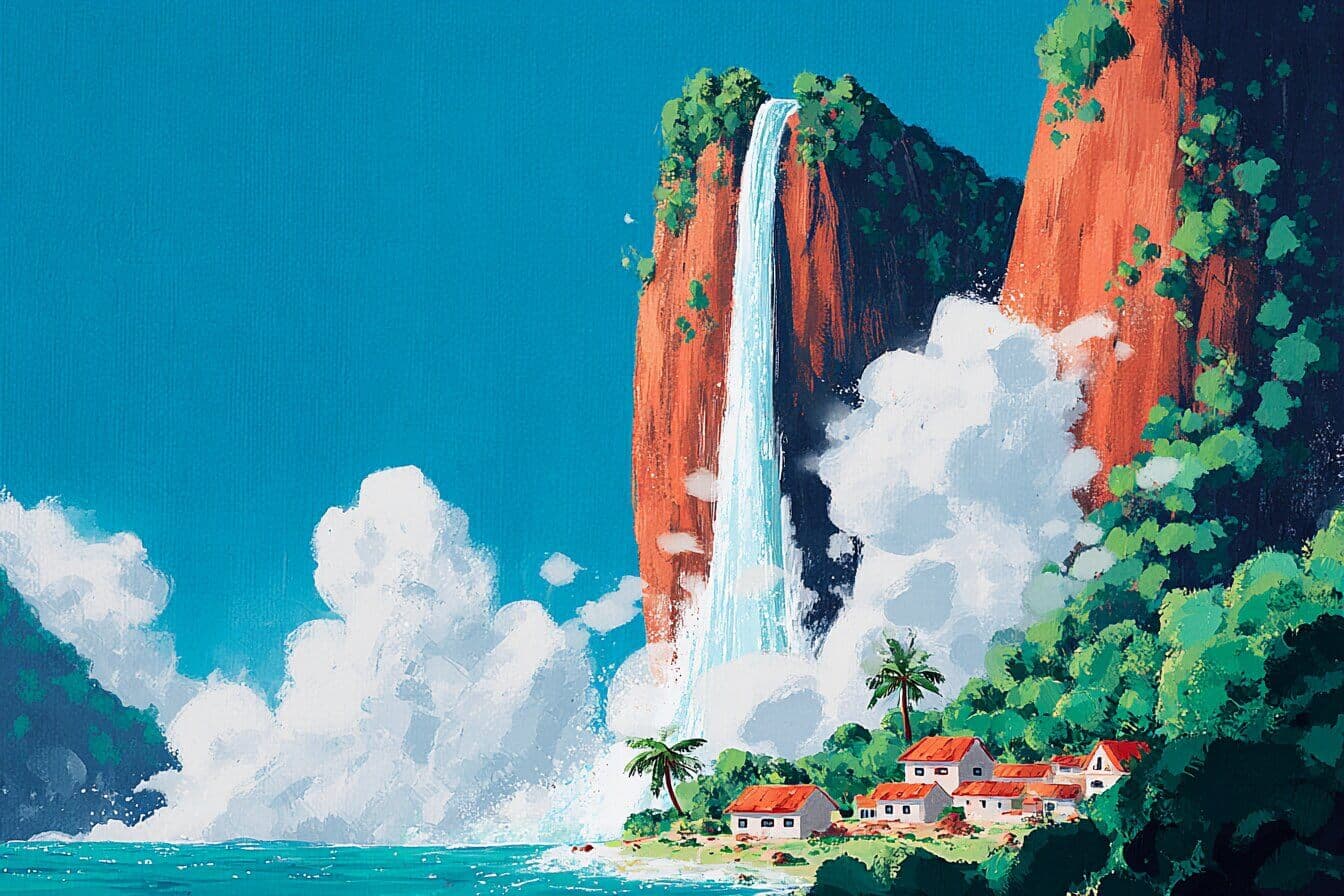
Waterfall Bedtime Stories
Looking for short waterfall bedtime stories that feel calm, magical, and easy to read aloud? Discover a gentle tale set at a rainbow mist waterfall, plus tips to create your own.