
Chicken Bedtime Stories
By

Dennis Wang, Bedtime Story Expert
11 min 30 sec
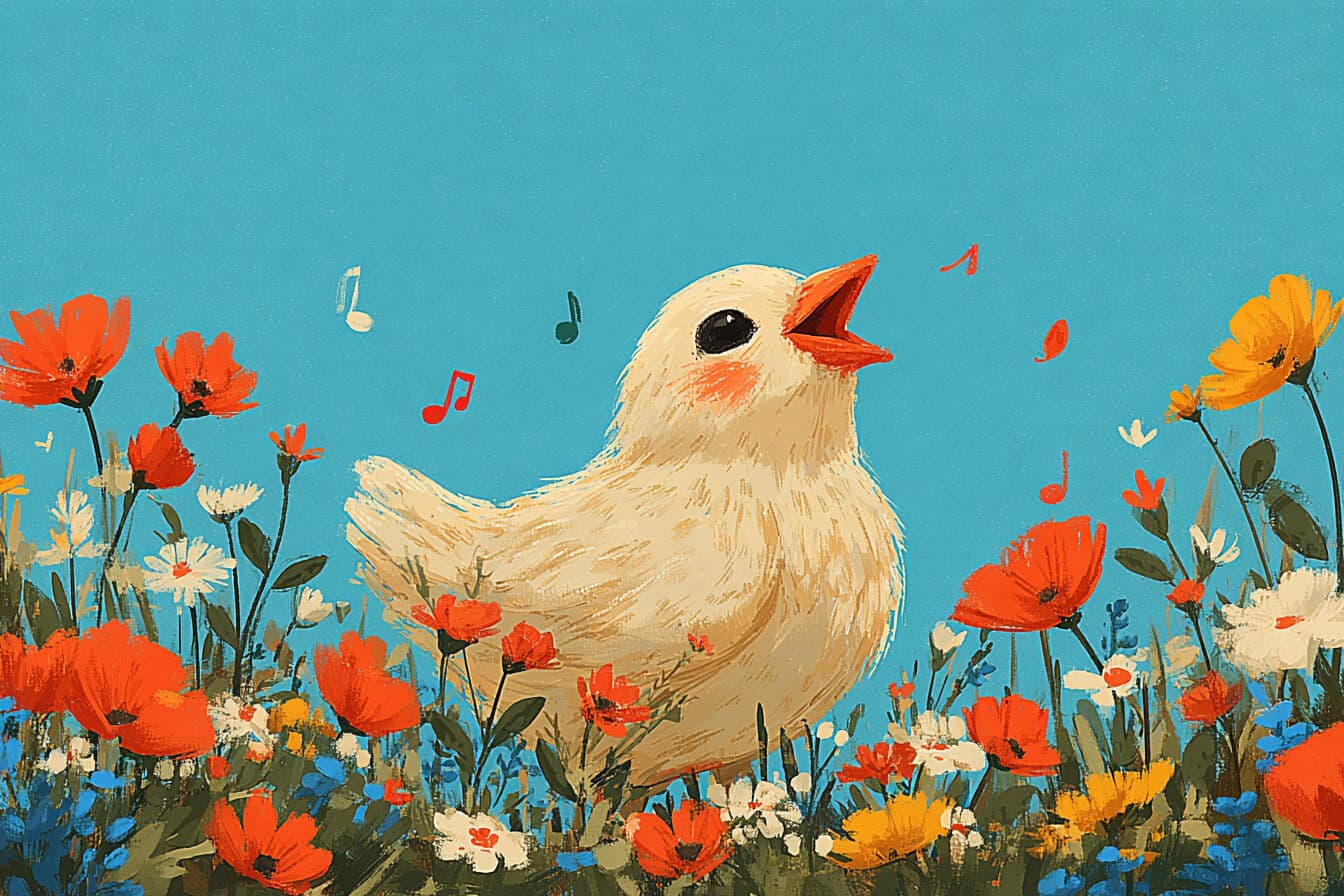
There is something about the soft clucking of a hen that makes a room feel quieter, the way a warm kitchen does when bread is in the oven. In this story, Clara the chicken discovers that her morning hum has stopped working in the fog, and she has to learn a gentler way to coax a garden awake. It is one of those chicken bedtime stories that moves at the pace of dew sliding down a leaf, perfect for winding down after a busy day. If your little one wants their own version, you can create a personalized tale with Sleepytale.
Why Chicken Stories Work So Well at Bedtime
Chickens live by rhythms that young children instinctively understand. They wake, they scratch the ground, they settle into the coop when the sky turns dark. A bedtime story about a chicken fits neatly into that cycle because the animal's world already mirrors a child's routine of morning energy and evening rest. There is no need to explain why a hen is sleepy; kids just get it.
There is also something comforting about a barnyard setting at night. The straw, the quiet clucking, the warmth of feathers tucked together. These images give children a sense of smallness and safety, the feeling of being enclosed in a place where nothing scary can reach them. Chicken stories tap into that cozy, grounded feeling in a way that helps a restless mind slow down.
Clara's Morning Hum and the Blooming Garden 11 min 30 sec
11 min 30 sec
Every morning before the sun lifted its golden hat above the hill, Clara the chicken woke with a bright little feeling inside her chest.
The coop was warm. Straw tickled her toes, and the air carried that particular smell of dew on turned earth, the kind of smell you only notice if you are up before anyone else.
Clara tilted her head and listened to the hush of the garden.
Bees dozed in their hives. A cat curled on the fence with one ear twitching at nothing. The flowers, still tucked inside their green coats, waited.
Clara hopped from her perch, shook her feathers so they sat just right, and stood on a smooth round stone that looked like a tiny moon. She closed her eyes to remember the shape of her song. It was not a big song. It was a small, soft hum that felt like a kind secret shared between two friends who don't need to explain it.
She filled her beak with a sip of water, cold enough to make her blink, and looked to the sky.
Then the hum began.
Round and low, like a pebble dropped into a pond. The first note floated across the garden, the second followed slowly, and the third came with a smile she could feel but no one could see. In the hush the song brushed leaves and color. Petals loosened. Buds lifted their faces toward morning.
Clara watched the tulips yawn and the daisies stretch their arms. The marigolds made a tiny sound, not quite a song, more like a contented sigh after a long sleep. Nearby, rosemary and mint whispered their fresh thoughts. If you've ever rubbed a mint leaf between your fingers and held it to your nose, you know the kind of thought they were having.
Clara kept humming, and all at once the garden felt like a page turning in a book, ready for a gentle story to begin.
Her song carried over the stone path and the little archway wrapped in vines.
It slipped through the picket fence and into the clover field, where rabbits lifted their ears and listened. The hum rested on the birdbath like a feather, then wiggled down the carved spiral of the water bowl and met the surface in tiny rings that pushed sunlight in circles.
A robin tipped its head, then began to sing a sweet answer. Together their sounds moved like friends holding hands on a walk neither one planned.
Clara did not hurry. The morning was not in a rush, and neither was her song.
Roses opened carefully, petal by petal, like they were unwrapping a letter from someone they loved. Bluebells chimed in the breeze with a shy ting. A snail peeped out from its shell to watch the colors arrive, its antennae wobbling with what might have been surprise or might have been breakfast anticipation. Even the old oak tree, who took a long time to wake, lifted a few leaves as if to wave.
Clara hummed a little higher and the petunias blushed. She hummed a little lower and the violets nodded in their short beds. She took a step to the right and the stepping stones seemed to glow a touch brighter.
A baby carrot pushed its green hair up from the soil. The pumpkins rolled ever so slightly to find a comfortable spot.
The garden did not bloom just because of the song. It bloomed because the song reminded it how. The song said, remember your color, remember your stretch, remember your sweet way of being. And each plant listened and answered, I do.
One morning, a fog slept in the yard.
It was the kind of fog that tucks everything in a blanket, quiet and cool and pale, the kind that makes the fence disappear and turns the shed into a gray guess. The sun, still hiding, painted the mist with a watery glow. Clara stepped onto her smooth stone and hummed her first note.
It sounded like a pearl.
She waited for petals to lift, for color to sway, for the little stirring that felt like morning. The second note drifted away like a bubble. The third note settled on a leaf and slipped off without catching.
The garden stayed tucked and still. Tulips did not yawn. Daisies did not stretch. Bluebells kept their chimes close.
Clara blinked.
She did not want to push the song, because pushing made notes wobble. She tried again, softer and slower, like a lullaby for someone who had not decided to wake. Still the fog held everything in its gentle hold, as if it was saying, not yet.
Clara felt a tiny flicker of worry, like a moth bumping a window.
What if her song was not strong enough for this morning? What if the garden had forgotten her tune?
She took a breath and listened to the quiet. Really listened, the way you listen when you press your ear against a seashell.
In the quiet, she heard something new. The tiny lace sound of a spider drawing a line between two stems. The soft step of a snail moving grain by grain. The brook beyond the fence whispering a steady shhh, as if it were soothing the earth the way a parent soothes a restless child.
Clara tilted her head. Then she hopped off the stone.
Perhaps, she thought, the hum needed new friends today.
Clara walked carefully along the path, greeting the garden like a teacher who knows when to talk and when to just sit beside you.
She asked the ivy if it had slept well, and it answered with a slow curl toward the light. She asked the rosemary if it felt brave, and it answered with a smell that warmed her thoughts. She asked the fog if it was comfortable, and the fog did not speak, but it wrapped around her gently, which was answer enough.
By the fence, a small snail with a shell that looked like a cinnamon roll rested beside a nasturtium leaf. Its shell had a hairline crack near the top, a tiny imperfection that somehow made it more beautiful.
Hello, said Clara. I am thinking about a new kind of morning hum. A hum that listens first.
The snail raised two delicate eyes.
I move slowly, it seemed to say, and I arrive.
Clara smiled. That was a good lesson.
She went to the birdbath and dipped her beak, then listened to the brook. Its voice was quiet but sure.
Shhh, said the brook, the day will open.
Clara hummed a note that matched the brook, low and round. She hummed a note that matched the snail, patient and small. She hummed a note that matched the spider, careful and light. She carried these notes back to her smooth stone and stood as still as a statue.
The fog curled around her legs.
She began with a whisper of a hum, then added the brook note, then the snail note, then the spider note. She did not ask the flowers to open. She invited them. She left spaces, little silences where their own voices could rise if they wanted to.
A tulip lifted a little. A little more than before.
A daisy loosened a petal. The bluebells released one clear chime.
The garden did not bloom all at once. It bloomed the way a shy child steps into a room, quietly, ready to be welcomed.
The morning became a new kind of music, made of listening and replying.
A butterfly with wings like folded paper rested on Clara's back. The cat on the fence opened one eye and looked, then closed it again, because peace is a good thing for napping. The rabbits in the clover came closer and sat in a neat row, their noses threading the air.
Clara noticed a bud at the far edge of the path. A small rosebud tucked close to a little arch. It seemed almost afraid to breathe.
Clara walked quietly toward it.
Hello, rosebud, she said with her gentle cluck. Today is a soft day.
The rosebud did not answer, but it did not turn away.
Clara hummed the brook note, the snail note, the spider note, and her own small note that sounded like a smile. The rosebud moved a little.
I am not ready, it seemed to say.
That is all right, said Clara. Some mornings are for waiting.
She rested beside the bud and watched the fog curl and thin. She told a tiny story about the time the wind painted patterns in the dust. She told another about a seed that fell asleep and woke as a sunflower, taller than a ladder. She paused to scratch at a pebble that was sitting in the wrong spot, nudged it aside with her foot, and then forgot what she had been saying for a moment.
The bud listened anyway.
Across the garden the bluebells chimed more freely, the marigolds sighed their happy sigh, and the tulips yawned wide. The fog lifted thread by thread, and a soft light reached for the rosebud.
Clara did not sing louder. She simply kept the quiet company.
The rosebud shivered, then loosened, then opened one petal, then another. It opened as if it had remembered a promise it made to show its color to the day.
Clara hummed a note that sounded like thank you.
The rose answered with a scent that curled around Clara like a hug.
When the sun finally put its golden hat above the hill, the garden had bloomed in a new way, one that felt patient and friendly.
The mist thinned until it was only a sparkle in the air, and then it was gone.
Clara stood on her stone and looked at what the morning had done, not just in the flowers, but in the space behind her feathers where feelings live.
Bees nudged out from their hives, still drowsy but disciplined, and tested the air with a gentle buzz. The brook kept whispering. The spider tied the last knot in its shining web and sat back.
Clara hopped from the stone and walked the path again, this time saying thank you to each plant for listening and for teaching her to listen back. She shared a sleepy joke with the cat, who pretended not to find it funny. The tip of its tail twitched, though, which was as close to a laugh as that cat ever gave.
She watched the rabbits hop away to share clover with their families. She pecked a grain or two and saved the rest for the sparrows who would arrive later.
The day slid forward like a boat on a calm pond.
Before noon, a child with a blue hat came to the fence and waved. Clara waved in the way that chickens do, with a nod and a content cluck. The child watched the flowers wide eyed, then tiptoed away as if not to spill the quiet.
Clara sat in the shade and felt a warm tiredness in her wings, the good kind that comes from doing kind work. She thought of tomorrow and the next day and the day after that, and she was pleased to think that morning would always offer a chance to hum, to listen, and to bloom again.
She closed her eyes for a short rest, the kind that makes you wake feeling like a bell that has been rung just once, clear and bright and ready.
The Quiet Lessons in This Chicken Bedtime Story
When Clara's hum stops working in the fog, she faces the small panic of a plan falling apart, and her choice to listen rather than push harder shows children that patience is not the same as giving up. The rosebud scene carries a second lesson about respecting someone else's pace; Clara sits beside the bud, tells it stories, and never insists that it open, which gives kids the gentle idea that people bloom on their own schedule. There is also a thread of gratitude woven through the ending, as Clara walks the path thanking each plant and sharing food with sparrows who have not arrived yet. These themes settle well at bedtime because they reassure a child that tomorrow does not need to be forced open; it will come on its own, and they can rest knowing that.
Tips for Reading This Story
Give Clara a warm, slightly scratchy voice, the kind you might imagine a friendly hen would have, and slow your pace noticeably when she steps off the stone and begins listening to the fog. When Clara talks to the snail by the fence, try a long, drraaawn-out delivery for the snail's line, "I move slowly, and I arrive," because kids usually giggle at the contrast. At the moment the rosebud finally opens its first petal, pause for a beat and let your child fill the silence before you read Clara's thank-you hum.
Frequently Asked Questions
What age is this story best for?
It works best for children between ages 2 and 6. The language is simple enough for toddlers to absorb the rhythm, while the idea of Clara learning to listen rather than push harder gives older preschoolers something real to think about. The gentle pacing and lack of any conflict sharper than a foggy morning make it comfortable for even sensitive listeners.
Is this story available as audio?
Yes. You can press play at the top of the story to hear it read aloud. The audio version brings out the musical quality of Clara's different hum notes, the brook note, the snail note, the spider note, in a way that is hard to capture on the page. The repetition of those sounds makes the audio especially soothing for children who are lying still and letting their eyes close.
Why does Clara hum instead of crowing like a rooster?
In the story, Clara's hum is a quieter, gentler way of greeting the morning, more of an invitation than an announcement. Real hens actually do make soft, repetitive sounds when they are content, almost like purring. The story plays with that real behavior and turns it into something magical, letting Clara's quiet voice do what a loud crow never could: coax a shy rosebud open without startling it.
Create Your Own Version
Sleepytale lets you build a personalized story inspired by Clara's gentle world. Swap the foggy garden for a moonlit barnyard, replace the rosebud with a stubborn pumpkin that refuses to turn orange, or add your child's name as the kid in the blue hat who waves at the fence. In a few moments you will have a cozy, replayable tale shaped around whatever your family loves most before lights out.
Looking for more animal bedtime stories?
Polar Bear Bedtime Stories
A shimmering palace appears the sea ice, and a small wish turns into shared laughter. Drift into short polar bear bedtime stories with a bright, gentle twist.
Bear Bedtime Stories
Drift off with short bear bedtime stories that feel warm and soothing, plus a simple way to create your own cozy version in Sleepytale.
Tropical Fish Bedtime Stories
Sunlight paints golden paths across a coral reef as a brave little fish leads a pattern parade. Drift into short tropical fish bedtime stories with gentle pride and calm sea sounds.
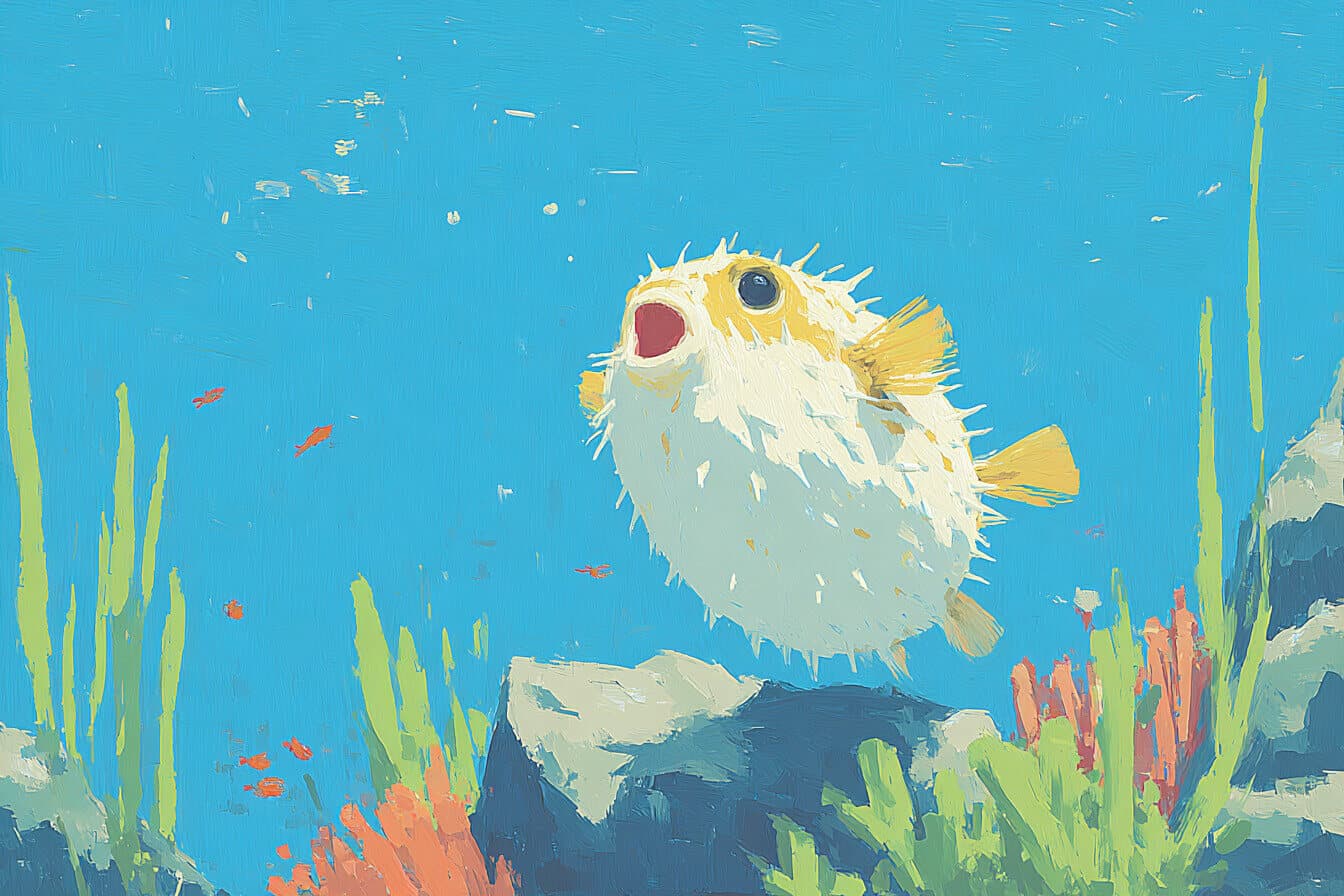
Pufferfish Bedtime Stories
Drift under turquoise waves with short pufferfish bedtime stories where a jumpy little fish turns surprise bounces into a brave stage dance. A conch charm makes the twist feel tender.
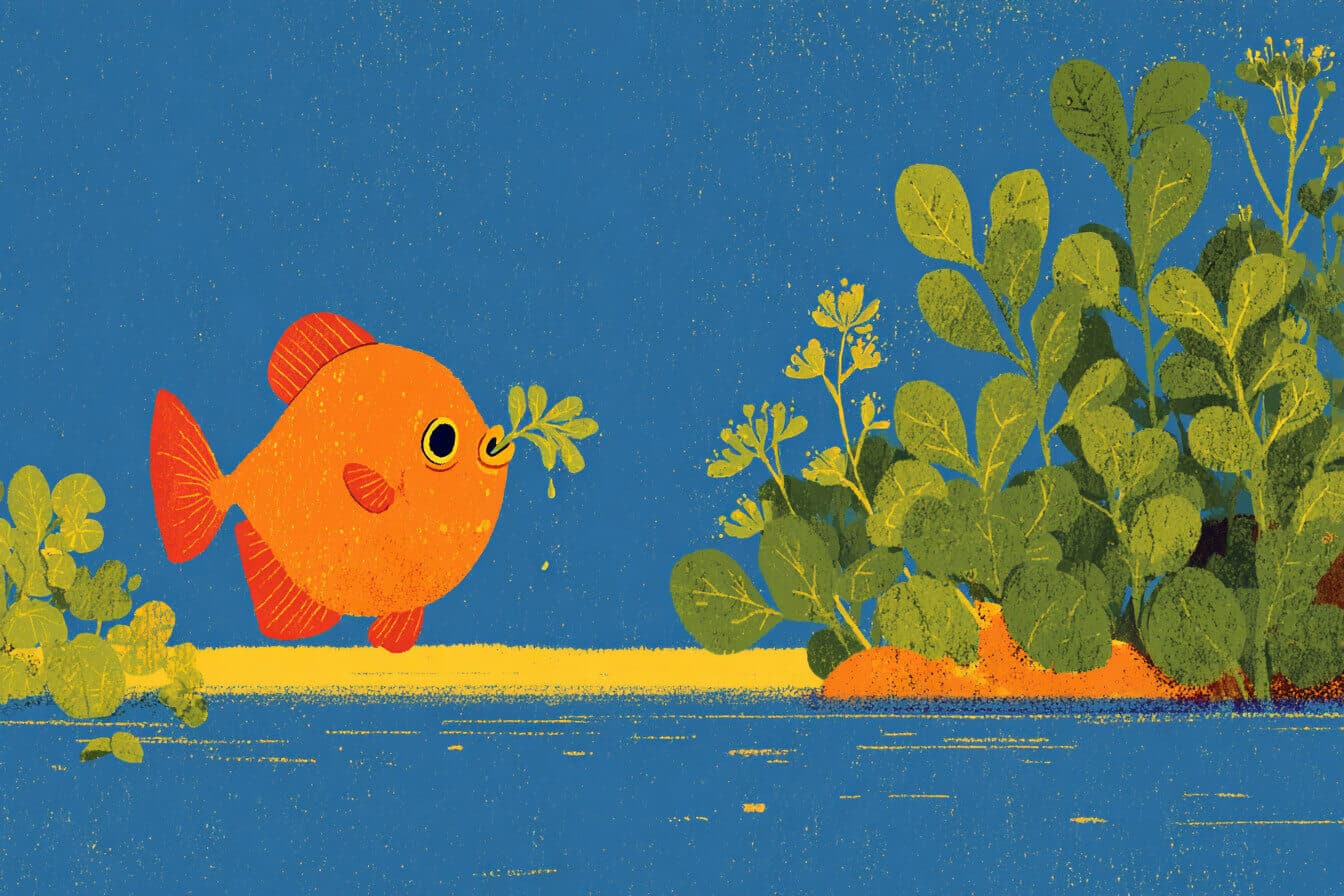
Piranha Bedtime Stories
Drift into the Amazon with short piranha bedtime stories where a toothy fish hosts a leafy picnic and wins hearts one crunch at a time.
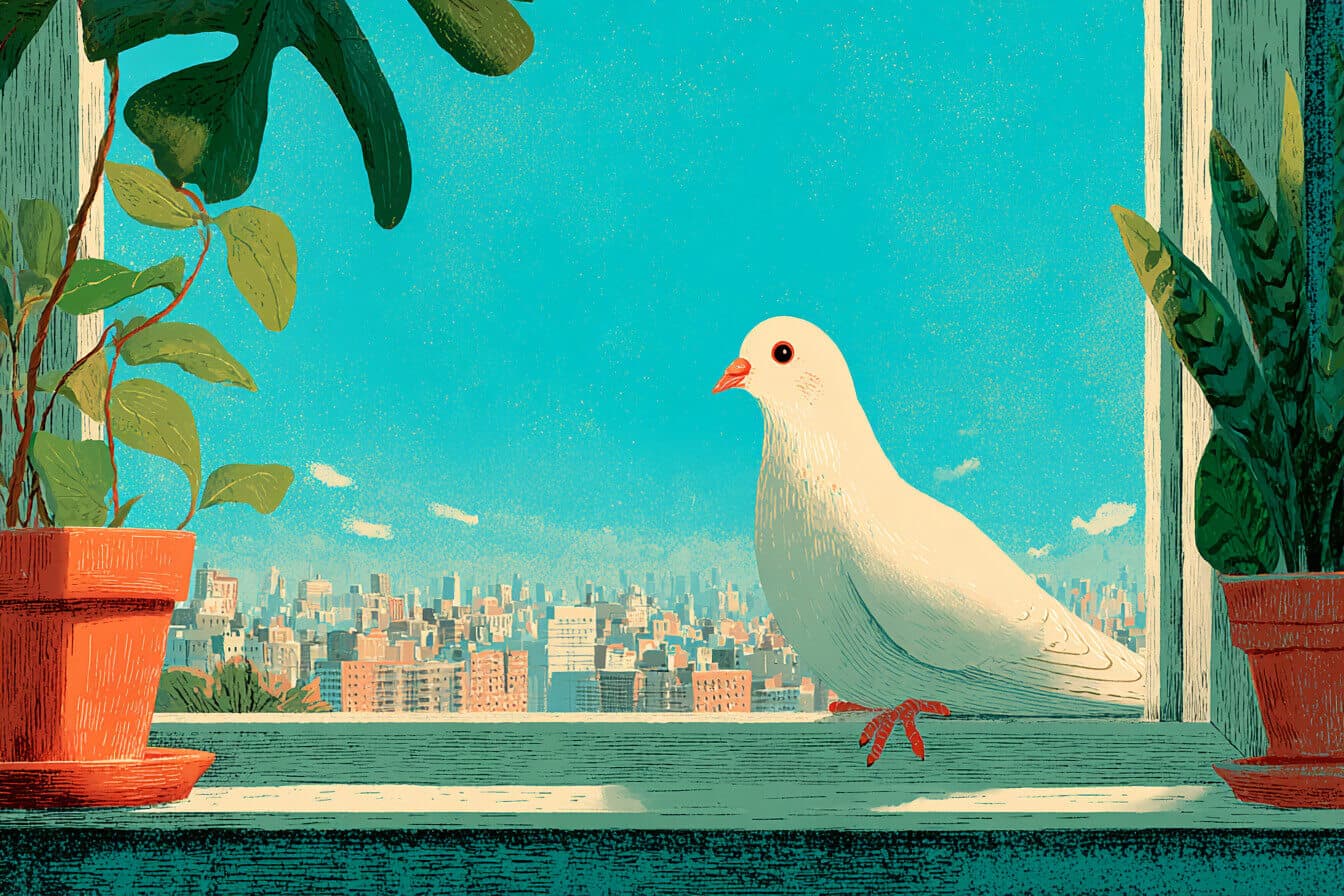
Pigeon Bedtime Stories
Ease into comfort as Pablo delivers tiny folded notes tied with a sky blue ribbon to lift lonely hearts. Settle in with short pigeon bedtime stories that bring warmth, hope, and easy sleep.