
Beach Stories For Preschoolers
By

Dennis Wang, Bedtime Story Expert
3 min 36 sec
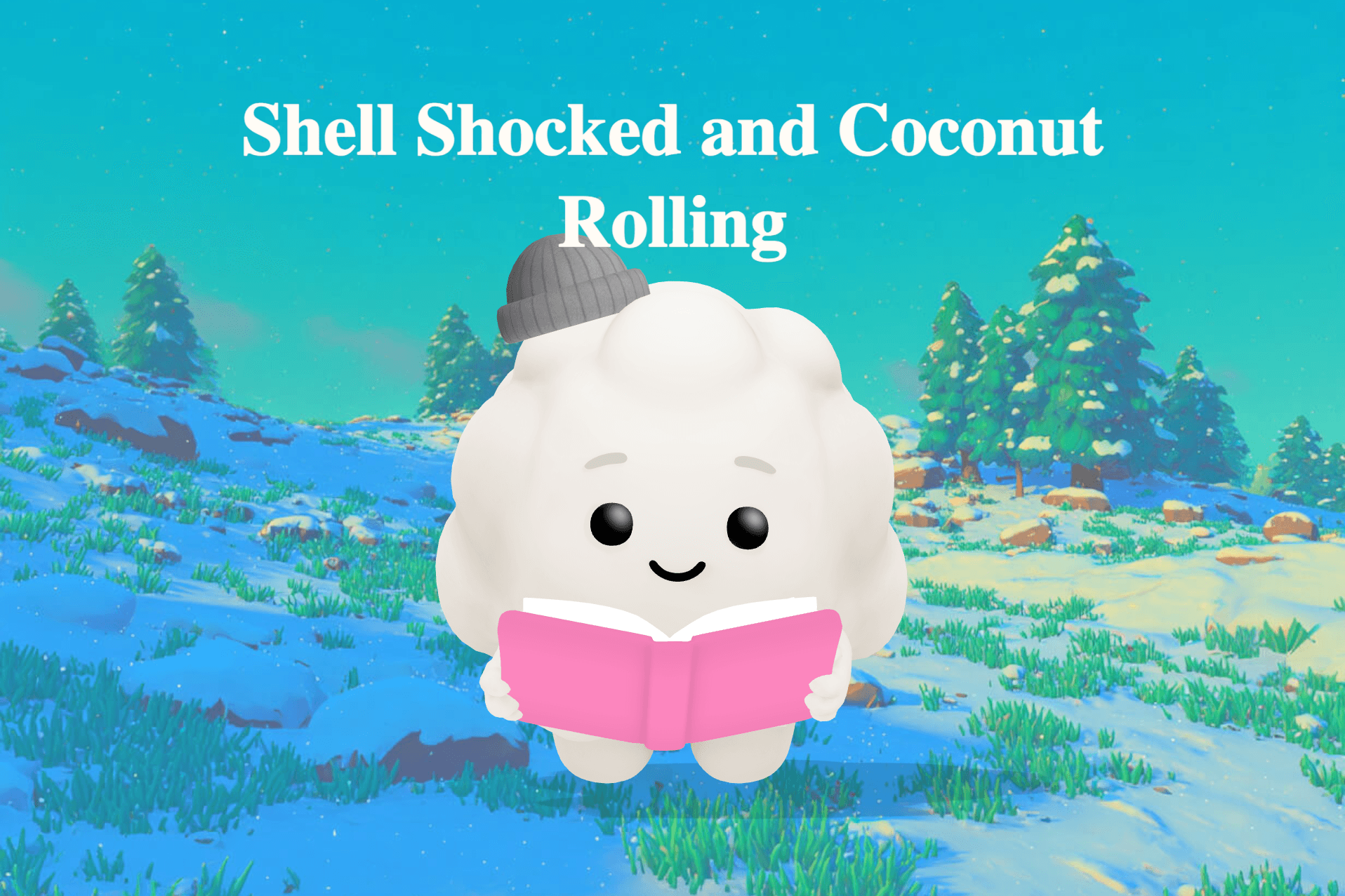
The sound of soft waves and warm, salty air has a way of carrying little ones straight into dreamland. In this cozy tale, a hermit crab named Crabbert outgrows his shell and searches the shoreline for a new home, trying a sardine tin, a paper cup, and finally a coconut half that fits just right. It is one of our favorite short beach stories for preschoolers, packed with giggles, ocean breezes, and a satisfying ending beneath the pier. You can also create your own seaside bedtime adventure with Sleepytale.
Why Beach For Preschoolers Stories Work So Well at Bedtime
Beach stories have a natural rhythm that mirrors bedtime itself: the steady pulse of waves, the cooling air as the sun dips low, and the feeling of sand settling after a long, playful day. These sensory details give little listeners something to latch onto as their bodies relax, and a beach for preschoolers story at night can feel almost like a lullaby wrapped in a narrative. There is also something deeply comforting about a character searching for a cozy place to curl up. When Crabbert finally settles into his coconut shell and listens to the tide, children instinctively connect that moment to their own beds and blankets. The beach setting does the heavy lifting, turning each scene into a warm, breezy invitation to close their eyes.
Shell Shocked and Coconut Rolling 3 min 36 sec
3 min 36 sec
Crabbert’s shell pinched.
Not a gentle squeeze, a full on clamp that made his eyestalks cross.
“Nope,” he muttered, voice echoing inside the cramped spiral.
He shuffled sideways across the tide line, each step scraping calcium against sand.
The surf hissed behind him like it knew the joke coming.
He spotted the first candidate glinting near a dune: a sardine tin, label peeled by salt and sun.
Crabbert tapped it with a claw.
Ting ting.
Sounded roomy.
He backed in, twisting, and the metal swallowed him with a hollow thunk.
Echoes boomed.
His own breathing ricocheted like a drum solo.
A gull overhead squawked, the sound magnified into cannon fire.
Crabbert shot out, cheeks blanching.
“Too loud,” he squeaked, sand flying as he scuttled on.
The second option waited by a picnic table leg: a paper cup decorated with smiling starfish.
Light.
Cheerful.
He wriggled inside, tucking legs, tail, and last antenna.
The cup rocked.
A breeze rolled it.
Crabbert spun, spiraling down the beach like a runaway wheel.
He glimpsed sky, gulls, sky again, before the cup smacked a piece of driftwood and flipped.
He landed upside down, legs bicycling air.
“Too tippy,” he puffed, crawling out dizzy and cross eyed once more.
Shell options thinned.
Crabbert eyed broken bottles, a child’s shoe, a sun bleached tennis ball.
Nothing fit.
Nothing felt right.
He plodded, belly low, until a coconut half caught his eye: smooth inner husk, gentle curve, room enough to turn around.
He tested the weight, rocking it.
It tipped, then settled.
He stepped in.
Silence.
No clang, no spin.
Just the soft scent of coconut and the distant ocean.
He took a practice scuttle.
The shell rolled forward an inch, then waited for him.
“Perfect,” he whispered.
Crabbert ventured onto the open beach.
Each shuffle tilted the shell, turning it into a tiny parade float.
Sand grains drummed a gentle hiss against the husk.
He zigzagged, carving figure eights.
A squad of seagulls perched nearby, heads tilting in synchronized confusion.
One flapped, squawked, then plopped back down, baffled by the rolling nut with legs.
Crabbert beamed inside his shadowed dome, antennae brushing the roof like victory flags.
He practiced spins near a tidal pool, coaxing the shell into slow donuts.
A hermit crab youngster watched from a whelk shell, eyes wide.
Crabbert winked.
“Upgrade,” he called.
The youngster giggled, scuttling away to spread the rumor: the beach had a roller crab.
Dusk painted the sky peach and lavender.
Crabbert aimed upslope, where dunes met boardwalk.
The coconut climbed, sand shifting under its curve.
Halfway up, gravity tugged.
The shell slipped.
Crabbert felt the lurch, tucked limbs tight, and let the world spin.
Down he went, a coconut comet, sand spraying in his wake.
The shell slowed at the bottom, teetered, and rested upright.
He peeked out, dizzy but laughing.
The gulls stared.
One shrugged, or at least fluffed its wings in resignation.
Night breezes cooled the beach.
Crabbert rolled to a stop beneath a pier piling.
Barnacles rasped above him; water lapped below.
Inside the coconut, echoes sounded like distant conga drums.
He wiggled comfortably, feeling space around every leg.
No pinching seams, no metallic roar, no carnival spins.
Just the soft thump of waves and the coconut smell he decided would be home.
He closed his eyes, content.
Tomorrow he might invent coconut bowling with the fiddler crabs, but tonight he listened to the tide applaud against the shore, slow and steady, like the beach itself approved of his choice.
The Quiet Lessons in This Beach For Preschoolers Bedtime Story
This story gently explores persistence, self acceptance, and the courage to be different. Crabbert's willingness to test shell after shell, from the booming sardine tin to the spinning paper cup, shows children that setbacks are simply part of finding what truly fits. His choice of a coconut half, something no other crab would pick, celebrates the joy of trusting your own comfort over what everyone else expects. These themes settle beautifully at bedtime, when kids can reflect on their own small victories and feel proud of the choices they made during the day.
Tips for Reading This Story
Give Crabbert a slightly grumbly, squeaky voice that softens into a contented murmur once he discovers the coconut shell. When the paper cup sends him spinning down the beach, speed up your reading and add a wobbly tone, then pause dramatically after he lands upside down with his legs bicycling the air. As the story reaches the quiet pier scene at night, slow your pace to match the rhythm of the waves and drop your volume so the final line about the tide applauding feels like a whispered goodnight.
Frequently Asked Questions
What age is this story best for?
This story works best for children ages two through five. The silly physical comedy, like Crabbert spiraling inside a paper cup or peeking out of his coconut shell dizzy and laughing, delights younger listeners. Meanwhile, the theme of finding a home that truly fits resonates with older preschoolers who are beginning to explore their own sense of identity.
Is this story available as audio?
Yes, just press play at the top of the page to hear the full story read aloud. The audio version really shines during the sardine tin scene, where Crabbert's booming echoes and the squawking seagulls come to life with sound. It winds down beautifully with the soft wave rhythms under the pier, making it a perfect eyes closed listening experience.
Why does Crabbert choose a coconut shell instead of a regular seashell?
Crabbert tries several options along the shoreline, but nothing traditional feels right; they are too loud, too tippy, or too cramped. The coconut half wins him over because it is lightweight, roomy enough to turn around in, and fills with a soft, pleasant scent instead of metallic echoes. It is a fun reminder for kids that the best fit is not always the most obvious one.
Create Your Own Version
Sleepytale turns your child's wildest ideas into personalized bedtime stories in seconds. You can swap the beach for a forest pond, change Crabbert into a turtle searching for the perfect log, or replace the coconut with a magical acorn cap. In just a few taps, you will have a calm, cozy tale ready for tonight's bedtime routine.
Looking for more bedtime stories for kids by age?
Scary Stories For Kindergarteners
Are you looking for short scary stories for kindergarteners? Wisp is a tiny trembling ghost who learns to name the shadows a windowsill.
Audiobooks For Kindergarteners
A tugboat named Biscuit navigates fog by following buoy bells, making short audiobooks for kindergarteners feel like a lullaby the water.

Short Newborn Bedtime Stories
Are you searching for short newborn bedtime stories where the moon watches over a sleeping baby all night?

Baby Bedtime Stories
Enjoy a cozy night with short baby bedtime stories like The Waiting Hug, featuring a stuffed rabbit's patient wait for one perfect embrace.

Short Stories For 8th Graders
Maya spent three years saying hello to every face in her hallway, and one quiet boy replied with dragons. Discover short stories for 8th graders here.
Kindergarten Stories
A lost red crayon waits under a bookshelf until a boy named Mateo draws a smiling sun in one of the sweetest short kindergarten stories for bedtime.