
Audiobooks For Kindergarteners
By

Dennis Wang, Bedtime Story Expert
7 min 14 sec

There is something about the sound of bells ringing across foggy water that makes everything feel calm and far away. In The Sound of Biscuit's Bell, a kindergartner named Eli puts on headphones and discovers a story about a small tugboat navigating fog to help a lost baby whale find its way home. It is one of those short audiobooks for kindergarteners that feels less like a story and more like a lullaby made of ocean sounds and gentle chimes. If your child loves cozy, quiet tales like this one, you can create your own with Sleepytale.
Why Audiobooks For Kindergarteners Stories Work So Well at Bedtime
Kindergarteners live in a world of big sounds and busy days, so bedtime can feel like a sudden, jarring shift. Audio stories for kindergarteners work beautifully at this transition because they give children something to listen to rather than something to worry about. A calm narrator's voice becomes a steady anchor, guiding a child's attention away from the restless thoughts of the day and toward a gentle, enclosed world of story. The effect is surprisingly physical; breathing slows, muscles relax, and the mind follows. What makes these stories especially effective at night is the way sound itself becomes a comfort. Familiar rhythms, soft repetition, and a narrator who never rushes all signal to a young listener that everything is safe and unhurried. For children still learning to manage big feelings, that sense of predictability at bedtime can be deeply reassuring.
The Sound of Biscuit's Bell 7 min 14 sec
7 min 14 sec
The reading corner in Room 3 had three beanbags, a basket of books, and a hook on the wall where the big blue headphones hung.
Nobody had ever used them before.
Not once.
They had been there since September, and everyone had looked at them, but nobody had asked.
Eli asked.
He was not sure why he did it that particular Tuesday.
Maybe because the rain was tapping the windows and the classroom felt restless.
Maybe because he had noticed the headphones catching the light when Ms.
Okafor turned on the reading lamp.
Either way, he raised his hand and said, "Can I try those?"
and Ms.
Okafor smiled like she had been waiting a long time for someone to ask.
She plugged them into the little tablet on the shelf and pulled up a picture-book audiobook called "Biscuit and the Foggy Harbor."
The cover showed a round blue tugboat with a yellow stripe and a smokestack shaped like a mushroom.
Eli put the headphones on.
They were big, and they pressed his ears flat, and for a second he felt a little silly.
Then the narrator's voice began.
It was low and easy, the kind of voice that did not rush.
"Biscuit was a small tugboat," the narrator said, "but Biscuit had a big, steady horn."
And just like that, the sound of rain on the windows disappeared.
The scrape of chairs disappeared.
The whole classroom went somewhere else.
Eli sat very still on the beanbag, his hands folded in his lap, his eyes drifting shut.
He was on the water.
The deck of the tugboat rocked just slightly under his feet, a slow roll that went one way and then came back.
He could almost smell salt.
The fog in the story was thick and close, and the narrator described it the way fog actually feels, not like a picture but like a thing pressing against your face.
Somewhere out in that fog, a baby whale had gotten turned around in the harbor.
It was swimming in circles, bumping softly against the dock pilings, making a sound the narrator described as "a low, wondering hum."
Biscuit had to find it.
The only way to navigate was by sound.
The buoy bells were out there, ringing in a pattern, and Biscuit followed them one by one.
The narrator rang them out in the story, ding, ding, pause, ding, and Eli found himself counting along without meaning to.
His head tilted.
His breathing slowed.
The whale appeared out of the fog slowly, the way things appear when you are not quite looking for them.
It was dark gray and enormous and it surfaced right beside Biscuit's hull with a breath that sounded like a door opening.
Biscuit rang the horn.
The whale turned.
Together they moved toward the open harbor mouth, following the bells.
Eli did not move for the entire story.
His sneakers, which had been squeaking against the beanbag, went still.
A crayon rolled off a nearby table and he did not even flinch.
When the narrator said, "And Biscuit watched the whale go, out past the last bell, into the wide and open sea," Eli opened his eyes slowly, the way you do when you are coming back from somewhere far.
The classroom was just the classroom again.
Rain on the windows.
Someone dropping a pencil.
Ms.
Okafor writing something on the board in her loopy handwriting.
Eli pulled one earpiece away from his ear and looked around.
There was a girl sitting on the floor two feet away from him.
She was cross-legged, her backpack still on, watching him with dark eyes and a very careful expression.
Her name was Suki.
She had started at Room 3 three weeks ago and had not yet said much to anyone.
She ate lunch with her book open beside her tray.
She always knew the answer when Ms.
Okafor called on her but her voice came out barely above a breath.
She was watching the headphones.
Eli looked at her.
She looked at the headphones.
Then she looked at her own hands.
"It's really good," Eli said.
"It's about a tugboat."
Suki nodded once, very small.
"You want to hear it?"
He held out one earpiece.
"We can both.
I'll hold this side."
She looked at the earpiece for a moment.
Then she unclipped her backpack straps, set the bag down carefully, and moved closer.
She took the earpiece and held it to her ear.
Eli held the other side to his.
They sat close enough that their shoulders almost touched.
Ms.
Okafor restarted the story from the beginning without either of them asking.
Eli was not sure how she knew, but she did.
The narrator's voice came back.
"Biscuit was a small tugboat, but Biscuit had a big, steady horn."
This time, when the buoy bells rang in the story, Eli made the sound under his breath.
"Ding, ding, pause, ding."
He was not even thinking about it.
And then, very quietly, Suki made the sound too.
Not copying him exactly.
More like joining in.
Her voice was almost nothing, just a shape of sound, but it was there.
They rang the bells together all the way through the foggy harbor.
When the whale surfaced beside Biscuit's hull, Suki made a small sound that was not quite a laugh and not quite a gasp.
She pressed her lips together after, like she had not meant to make any noise.
But Eli did not look at her, because he understood that sometimes you need someone to not look at you, and they just kept listening.
The story ended the same way it had before.
The whale going out past the last bell.
Biscuit watching.
The fog beginning to lift.
Suki handed the earpiece back carefully, like it was something borrowed from a museum.
"Thank you," she said.
It was the most Eli had heard her say to anyone.
"The bells are the best part," he said.
She nodded.
"Ding, ding, pause, ding."
He grinned.
She almost did.
That afternoon Ms.
Okafor let Eli return the headphones to the hook, which felt like an important job.
He hung them up straight and stepped back to look at them.
They did not look the same as they had that morning.
They looked used now, in the good way.
That night, Eli's mother turned off his lamp and the room went dark and ordinary.
The radiator clicked.
A car passed outside.
Eli pulled the blanket up and closed his eyes.
He was not trying to think about anything.
But the harbor came anyway.
Not the pictures from the book, exactly.
More like the feeling of it.
The slow rock of the deck.
The fog pressing close and gray.
And the bells, out there somewhere in the dark water, ringing their patient pattern.
Ding, ding, pause, ding.
He counted them the way you count when you are not really counting.
His hands uncurled on top of the blanket.
Somewhere in the harbor, the whale was finding its way out.
The last bell rang once more, far off and clear, and Eli followed it all the way down into sleep.
The Quiet Lessons in This Audiobooks For Kindergarteners Bedtime Story
This story gently explores generosity, patience, and the quiet power of empathy. When Eli offers one earpiece to Suki, he models a kind of easygoing, generous sharing that kindergarteners understand instinctively. The moment when he chooses not to look at Suki after she lets out a small gasp teaches something profound about giving people space to feel safe. These lessons arrive softly, carried by the rhythm of buoy bells, which makes them perfect for settling into a child's heart right before sleep.
Tips for Reading This Story
When you read Biscuit's buoy bells, try tapping gently on the bed frame or nightstand to create the “ding, ding, pause, ding“ rhythm, letting your child count along the way Eli does. Give the narrator's voice a low, unhurried tone during the foggy harbor scenes, and slow way down when the whale surfaces beside Biscuit's hull with a breath that sounds like a door opening. Pause after Suki whispers “thank you“ to Eli, letting the warmth of that small, quiet moment land before you continue.
Frequently Asked Questions
What age is this story best for?
This story is ideal for children ages four to six. The gentle pacing, the rhythmic buoy bells, and Eli's quiet friendship with Suki all feel perfectly tuned for kindergarteners who are learning to listen closely and connect with others. Younger listeners will love counting the bells, while older ones may relate to the tenderness of Eli sharing his earpiece.
Is this story available as audio?
Yes, you can listen to the full audio version by pressing play at the top of the page. The audio brings the foggy harbor to life beautifully, especially the repeating “ding, ding, pause, ding“ of the buoy bells and the low, steady narrator voice describing Biscuit's journey. Listening to the whale surface beside the tugboat's hull is a wonderfully calming moment that works even better in audio than on the page.
Why does Eli share the headphones with Suki in the story?
Eli notices that Suki is watching the headphones with quiet curiosity, and he recognizes that she wants to hear the story too. He offers her one earpiece without making a big deal of it, which lets Suki feel comfortable joining in at her own pace. It is a small, generous moment that grows into a real connection as they ring the buoy bells together through the fog.
Create Your Own Version
Sleepytale lets you turn your child's favorite ideas into a personalized bedtime audio story in moments. You can swap the tugboat for a sailboat, set the harbor on a starlit lake, or replace the whale with a gentle sea turtle finding its way home. In just a few clicks, you will have a calm, cozy tale ready to carry your little one off to sleep.
Looking for more bedtime stories for kids by age?
Scary Stories For Kindergarteners
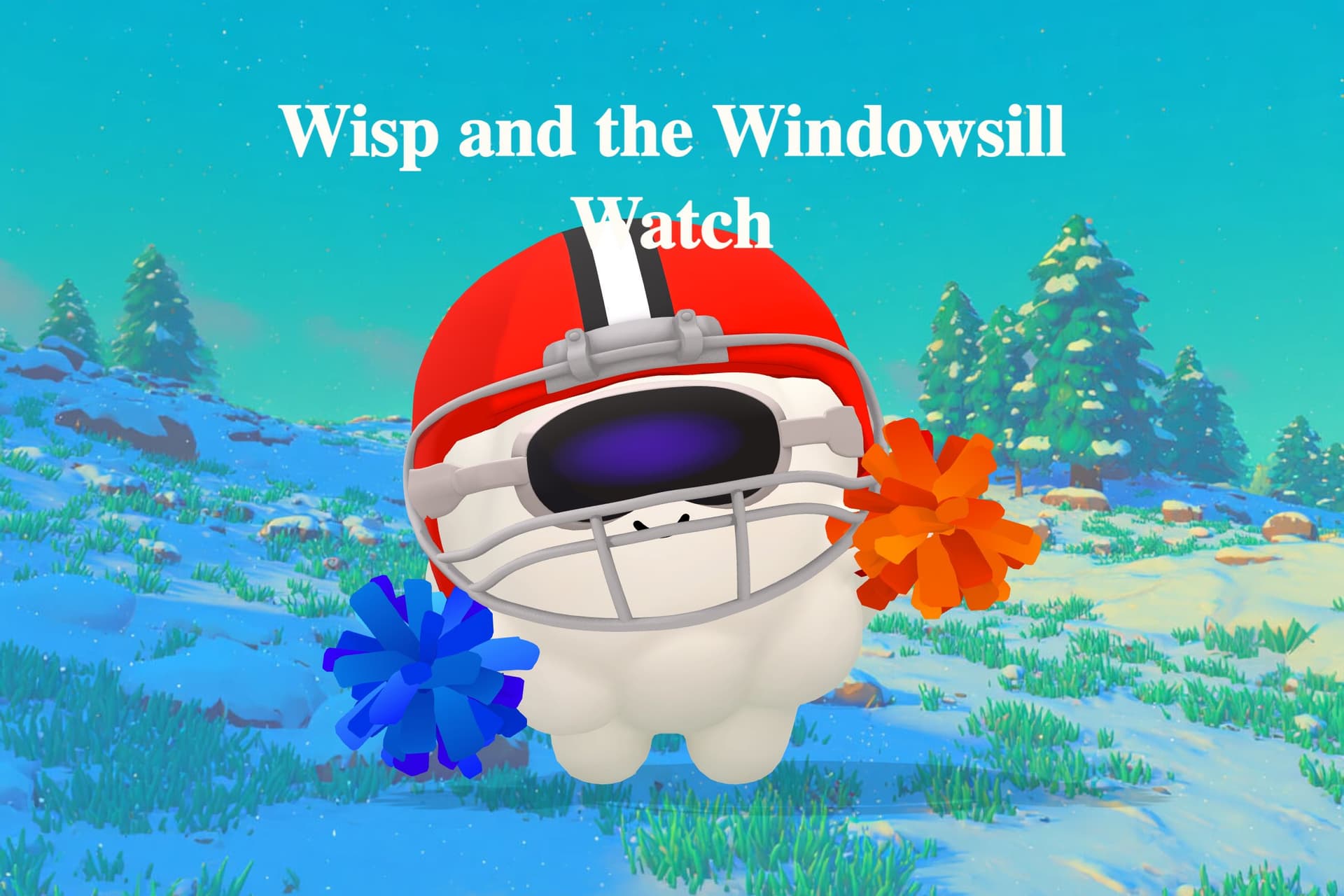
Are you looking for short scary stories for kindergarteners? Wisp is a tiny trembling ghost who learns to name the shadows a windowsill.

Short Newborn Bedtime Stories
Are you searching for short newborn bedtime stories where the moon watches over a sleeping baby all night?

Baby Bedtime Stories
Enjoy a cozy night with short baby bedtime stories like The Waiting Hug, featuring a stuffed rabbit's patient wait for one perfect embrace.

Short Stories For 8th Graders
Maya spent three years saying hello to every face in her hallway, and one quiet boy replied with dragons. Discover short stories for 8th graders here.

Kindergarten Stories
A lost red crayon waits under a bookshelf until a boy named Mateo draws a smiling sun in one of the sweetest short kindergarten stories for bedtime.

Short Stories For 7th Graders
Looking for short stories for 7th graders about a boy who starts a secret podcast from inside his coat closet? This cozy tale delivers.